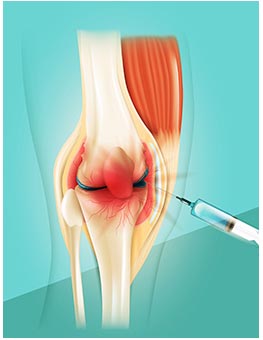
Articular and Periarticular Injections
For selected joint or periarticular conditions that may benefit from local treatment.
Explore the treatment: Articular and Periarticular InjectionsClinical area
I assess pain through its history, possible mechanisms and effect on everyday life, so that we can choose the most appropriate options together.
The first consultation helps define priorities, useful investigations and possible treatment options.

Acute pain often has a protective role and signals an injury or problem that needs assessment. When it persists, it may lose this role and involve mechanisms that maintain it over time.
Pain medicine is a medical discipline that studies these mechanisms and develops interventions intended to reduce the burden of pain, support function and improve quality of life.
An assessment may help when pain persists, returns frequently or affects movement, sleep, work, family life or social activities.
I reconstruct when the pain began, how it feels, what changes it and which treatments have already been tried. I also review general health, medicines, investigations and previous specialist assessments.
For an in-clinic appointment, bring relevant recent reports, previous specialist letters and an up-to-date list of medicines and supplements.
Treatment is personalised and may combine several options. The choice considers expected benefits, possible unwanted effects, interactions, preferences and personal goals.
An Online Specialist Consultation may offer an initial discussion to review documents, discuss treatment or plan next steps when the situation can be assessed remotely.
If a physical examination, procedure or direct treatment is required, an in-clinic appointment is necessary.
Pathway options
The suitability of each treatment depends on clinical assessment; a technique is not chosen solely according to where it hurts.
For selected joint or periarticular conditions that may benefit from local treatment.
Explore the treatment: Articular and Periarticular Injections
Acupuncture integrated into the pathway for some forms of pain.
Explore the treatment: Pain Treatment with Acupuncture
Medicines and nutraceuticals assessed for effectiveness, tolerability and current treatment.
Explore the treatment: Pharmacological and Nutraceutical Therapy
Techniques addressing some muscular and myofascial components of pain.
Explore the treatment: Myofascial Injections and Dry NeedlingUnderstand more
Information about persistent pain and tools that may form part of the pathway.

A multidisciplinary practice to fight pain of various origins
Read the article: What is Pain Therapy and the benefits for your health
An in-depth look at what science and modern medicine know today
Read the article: Fibromyalgia: Causes, Symptoms and the Most Effective Treatments!
A natural substance useful for pain, inflammation, and the immune system
Read the article: PEA: How to Fight Pain and Inflammation NaturallyPractical information to help you prepare for an assessment.
When pain persists, returns, limits activities, or when previous treatment has not provided enough benefit or raises concerns.
Acute pain is often linked to a recent event and acts as a warning. Chronic pain persists beyond the expected time and may involve different mechanisms.
Bring relevant reports, previous assessments and an up-to-date list of medicines, supplements and current treatment.
No. A procedure is only one possibility and is suggested only when appropriate to the assessment.
It may be possible for initial guidance or document review when a physical examination or direct treatment is not required.
No. Do not change treatment yourself; during the consultation we can review effectiveness, tolerability and possible interactions.
You can arrange an in-clinic appointment or explore the Online Specialist Consultation when your situation can be assessed remotely.
The most suitable format depends on what needs to be assessed.