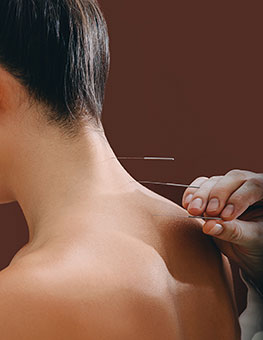
Pain Treatment with Acupuncture
A specific use of acupuncture within a personalised pain pathway.
Explore the treatment: Pain Treatment with AcupunctureClinical area
I use acupuncture as a complementary medical procedure after considering clinical history, current treatment and the person’s goals.
Appointments take place in the clinic and treatment is planned case by case.
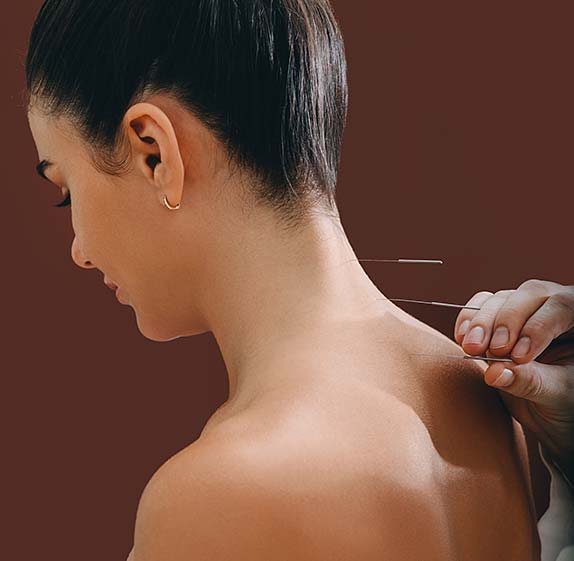
Acupuncture has a history spanning thousands of years and uses very fine needles placed at specific points on the body. Over time, it has also become part of Western medical practice as a possible complementary tool.
In Italy it is a medical procedure. I consider it as an option to integrate when appropriate, without replacing necessary treatment, investigations or clinical assessment.
Before suggesting treatment, I take a medical history and review the problem, medicines and other pathways already tried. This helps me understand whether acupuncture is appropriate and agree a realistic aim.
The choice of points and frequency of appointments do not follow the same pattern for everyone: they depend on clinical assessment and the response observed over time.
The first appointment includes an in-depth conversation and examination. I may also ask about sleep, digestion, habits and other aspects that help me understand the situation as a whole.
I use sterile, single-use, individually packaged needles. Their number and position vary; they usually remain in place for around twenty minutes within an appointment that may last up to approximately one hour.
Before treatment I review health conditions, medicines and any factors requiring particular care. The technique is generally well tolerated when carried out by a trained doctor, but unwanted effects are possible.
Acupuncture may be considered in different contexts, especially as support within an established pathway. Its suitability always depends on the individual situation.
For pain, I may integrate acupuncture with pharmacological, infiltrative or other non-pharmacological options. The choice depends on the type and duration of pain, previous treatment and its effect on everyday life.
Specific application
Explore how acupuncture may be included in a pathway dedicated to pain when clinical assessment supports it.
A specific use of acupuncture within a personalised pain pathway.
Explore the treatment: Pain Treatment with AcupunctureFurther reading
Editorial resources to help you understand the discipline and some of its applications.
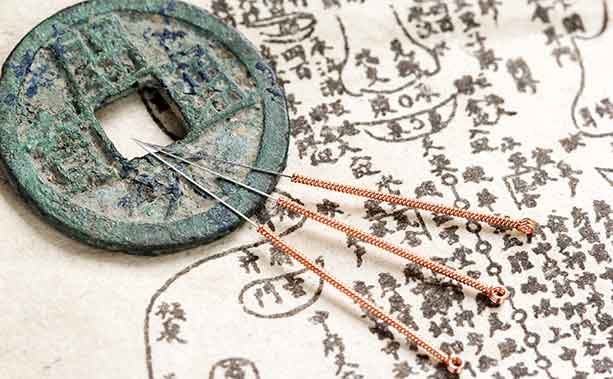
The therapeutic method of Traditional Chinese Medicine
Read the article: Acupuncture: its benefits and how it can help you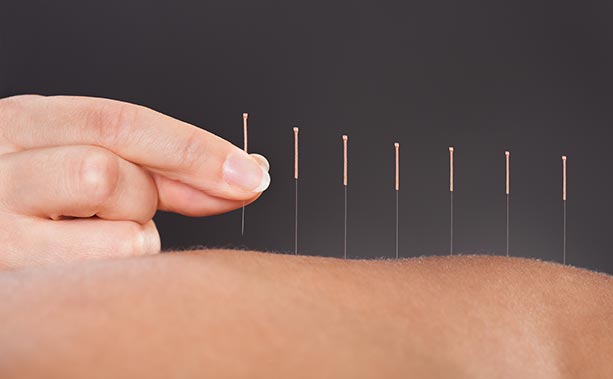
A deeper look into how acupuncture addresses pain
Read the article: Why Acupuncture is Effective Against Pain
How acupuncture can support fertility by enhancing well-being and pregnancy chances
Read the article: The Effectiveness of Acupuncture in FertilityEssential information before considering a pathway.
The needles are very fine. You may feel a brief prick or a deeper temporary sensation, but the experience varies from person to person.
I begin with a medical history and clinical assessment; if treatment is appropriate, I plan the points and approach for your situation.
There is no number that suits everyone. The duration of the problem, aims and individual response guide the review of the programme.
No. Acupuncture is complementary and does not require you to stop medicines or other necessary treatment yourself.
Small bruises, tenderness or temporary tiredness may occur. Before treatment I assess conditions and medicines that require care.
Contact the clinic for practical information and to arrange an in-person assessment.
Needle treatment requires an appointment at the clinic.