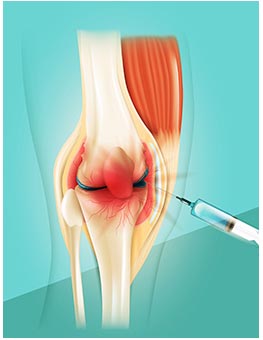
Articular and Periarticular Injections
Procedures targeting a joint or periarticular tissues in selected situations.
Explore the treatment: Articular and Periarticular InjectionsIn-clinic treatment
Pain-relief mesotherapy uses intradermal microinjections in the affected area and may be considered as part of a medical pain pathway.
A medical history, examination and review of treatment and possible contraindications are required beforehand.
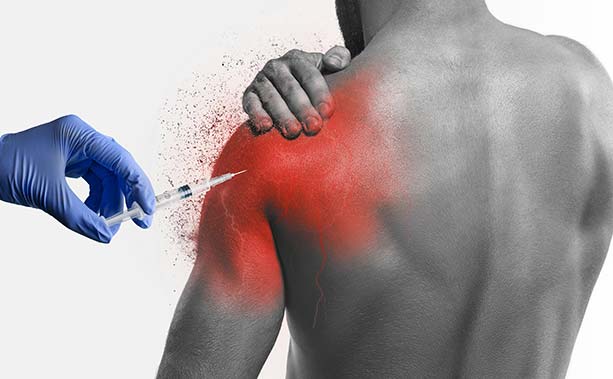
It is an infiltrative technique that introduces small amounts of selected substances into the superficial layer of the skin, near the area where pain is concentrated. It uses very fine needles and requires a clinical setting.
Its aim is to provide local action within a broader treatment plan. It is not suitable for every type of pain and does not replace investigation of the cause or necessary tests.
Following clinical assessment, mesotherapy may be considered for selected localised joint, tendon or muscle pain.
Before the procedure, I take a medical history, assess the area and review medicines, allergies, investigations and previous treatment. Microinjections are mainly given near the painful area using sterile, single-use equipment.
The substances, quantities and frequency are not standard. They may include medicines or other preparations appropriate to the situation and are decided only after assessment. The number of appointments also depends on aims, response and tolerability.
Local administration may concentrate treatment in the affected area while using small quantities. Possible benefit varies according to the cause of pain and individual characteristics.
Mesotherapy cannot guarantee that pain will resolve and may be combined with exercise, medicines, acupuncture or other procedures when appropriate.
The procedure may cause discomfort, small bruises, redness, tenderness or local reactions. Less common events also depend on the substances used and individual health factors.
Mesotherapy acts in the superficial intradermal layer. Joint, periarticular and myofascial injections reach different structures and depths. The technique is selected according to the pain mechanism and anatomical target rather than being interchangeable.
Related techniques
These techniques have different targets and indications and always require a specific clinical choice.
Procedures targeting a joint or periarticular tissues in selected situations.
Explore the treatment: Articular and Periarticular Injections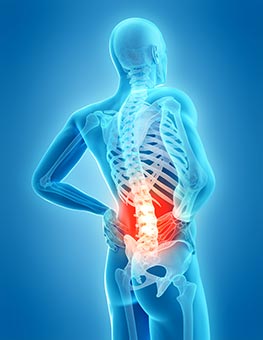
Techniques addressing some muscular and myofascial components of pain.
Explore the treatment: Myofascial Injections and Dry NeedlingFurther reading
Further information about mesotherapy and pain assessment.
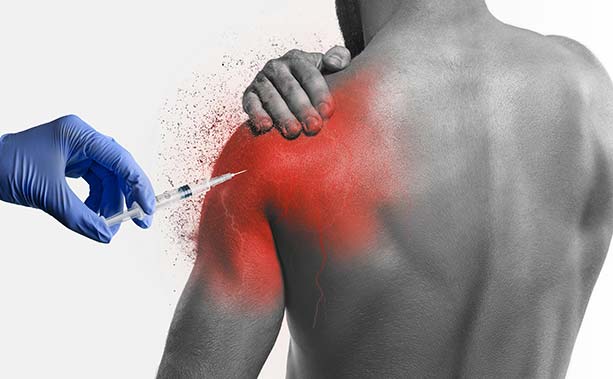
A minimally invasive technique for muscle and joint pain
Read the article: Mesotherapy: What it is and how it can help you
A multidisciplinary practice to fight pain of various origins
Read the article: What is Pain Therapy and the benefits for your healthGeneral information that does not replace the assessment required before a procedure.
It uses intradermal microinjections of small quantities of selected substances in the area affected by pain.
After an assessment of treatment and contraindications, I give superficial microinjections using fine needles and single-use equipment.
It may cause brief, variable discomfort. Sensitivity depends on the area and the individual.
The number and frequency are planned and reviewed according to the problem, response and tolerability.
Small bruises, redness, tenderness or local reactions may occur; risks and substances are discussed beforehand.
Allergies, local infection, clotting problems, some medicines or health conditions may mean treatment should be avoided or postponed.
Contact the clinic to arrange an assessment and understand whether this technique is appropriate for you.
Assessment and treatment require an in-clinic appointment.